Legacy Building Project: A Grassroots Solution to Ontario’s Hidden Housing Failure
A Dive Into The Hidden Crisis in Ontario Housing
The conversational landscape surrounding Toronto’s housing market remains heavily focused on traditional metrics: inflation, interest rates, and overall supply shortages. However, within this broader crisis lies a severe, system-wide failure that rarely makes the headlines: the complete collapse of housing infrastructure for adults with special needs and developmental disabilities.
When the systems designed to support our most vulnerable citizens fall short, the burden does not disappear. Instead, it is pushed entirely onto families who are forced to deal with the significant cost of caring for their adult children, as well as the financial and emotional stress that accompanies it.
The Legacy Building Project was conceived not merely as a private residential build, but as a direct, grass-roots response to a compounding societal emergency. It stands as an architectural and financial framework designed to demonstrate how gentle density can be actively mobilized to shield vulnerable populations from a failing public safety net.
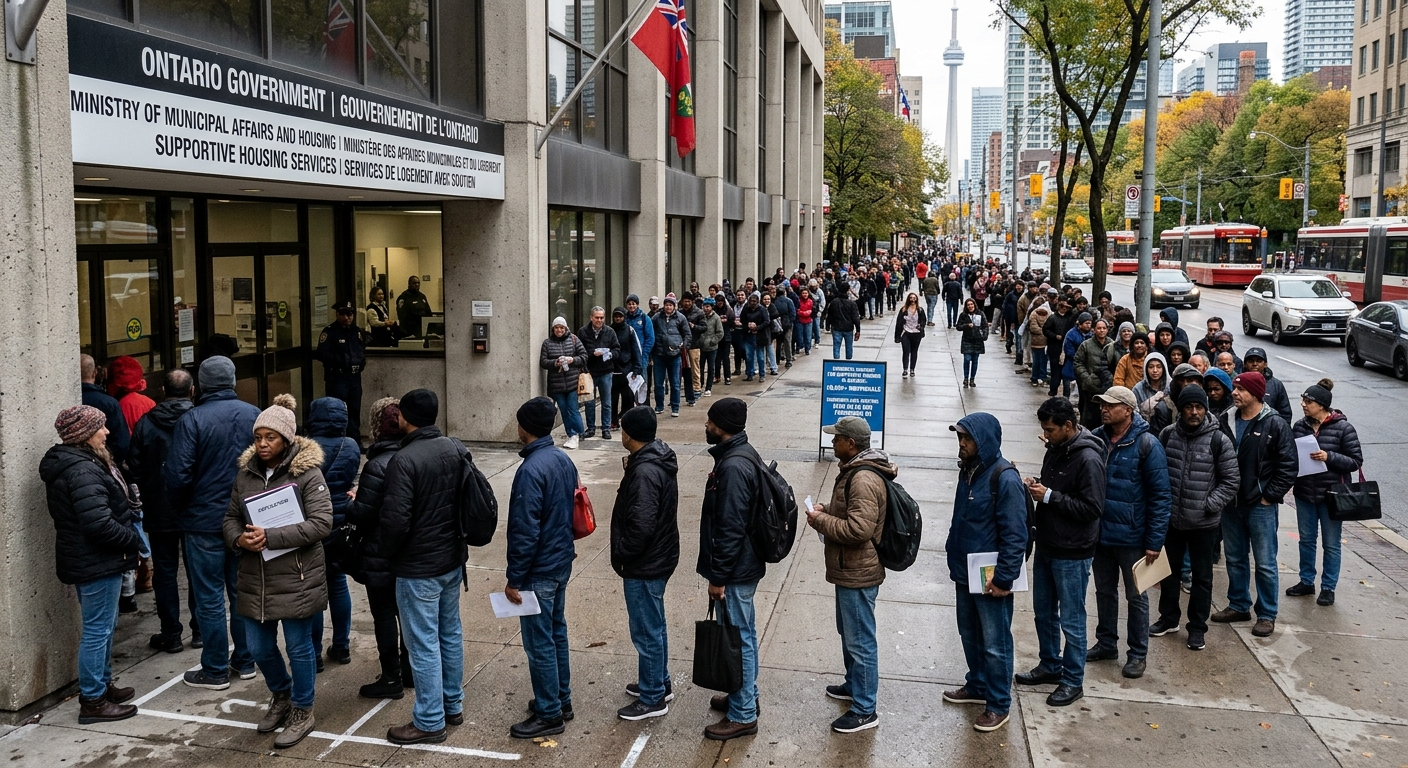
The Hard Reality: An Overview of the Care Crisis
To understand the necessity of this project, one must look at the data driving the current landscape for exceptional families across Ontario:
The Decades-Long Backlog: Community Living Ontario reports that there are more than 52,000 unique individuals waiting to access developmental services in Ontario. Over 28,000 of those individuals are specifically waiting for housing or housing-related support.
The Systemic Disconnect: The crisis in Ontario’s developmental services has rapidly escalated. Between 2020 and 2023, the waitlist for community support services expanded by 25%—growing from 34,000 to 42,000 people. As of 2024, the Supportive Living Waitlist stands at 28,128 individuals, compared to roughly 17,850 actively receiving supportive housing. In short, there are 60% more people waiting for supportive living than there are people currently housed.
The Institutional Funnel and Homelessness: Due to a severe lack of municipal supportive housing, vulnerable individuals are increasingly pushed into inappropriate, high-cost environments or left with no shelter at all. Research as of 2025, states that individuals with developmental disabilities account for up to 34% of the population experiencing homelessness in Ontario, making up one in five emergency shelter users in the Greater Toronto Area.
The Financial Toll on Families: Special needs families are dealing with a systemic economic crisis. Half of all caregivers in Canada experience severe financial strain, with an average out-of-pocket cost of $1,000 per month just to manage baseline care. Parents are trapped in a feedback loop: they must reduce work hours to manage uncoordinated care and often extraordinary crisis management which directly strips away their long-term financial security.
The Quadruple Risk Fact: Data from the Canadian Human Rights Commission highlights that this is a systemic human rights failure: people with disabilities are four times more likely to experience homelessness than people without disabilities. When specialized housing infrastructure is non-existent, thousands of vulnerable individuals are funneled directly into the shelter system, left languishing in hospitals as Alternate Level of Care (ALC) patients, or even forced into long-term care facilities meant for seniors.
When the state's social policies and programs stall indefinitely, families are left to deal with an extraordinary financial burden which ultimately leads to the impossible question: What happens to our children when we are no longer here to care for them?
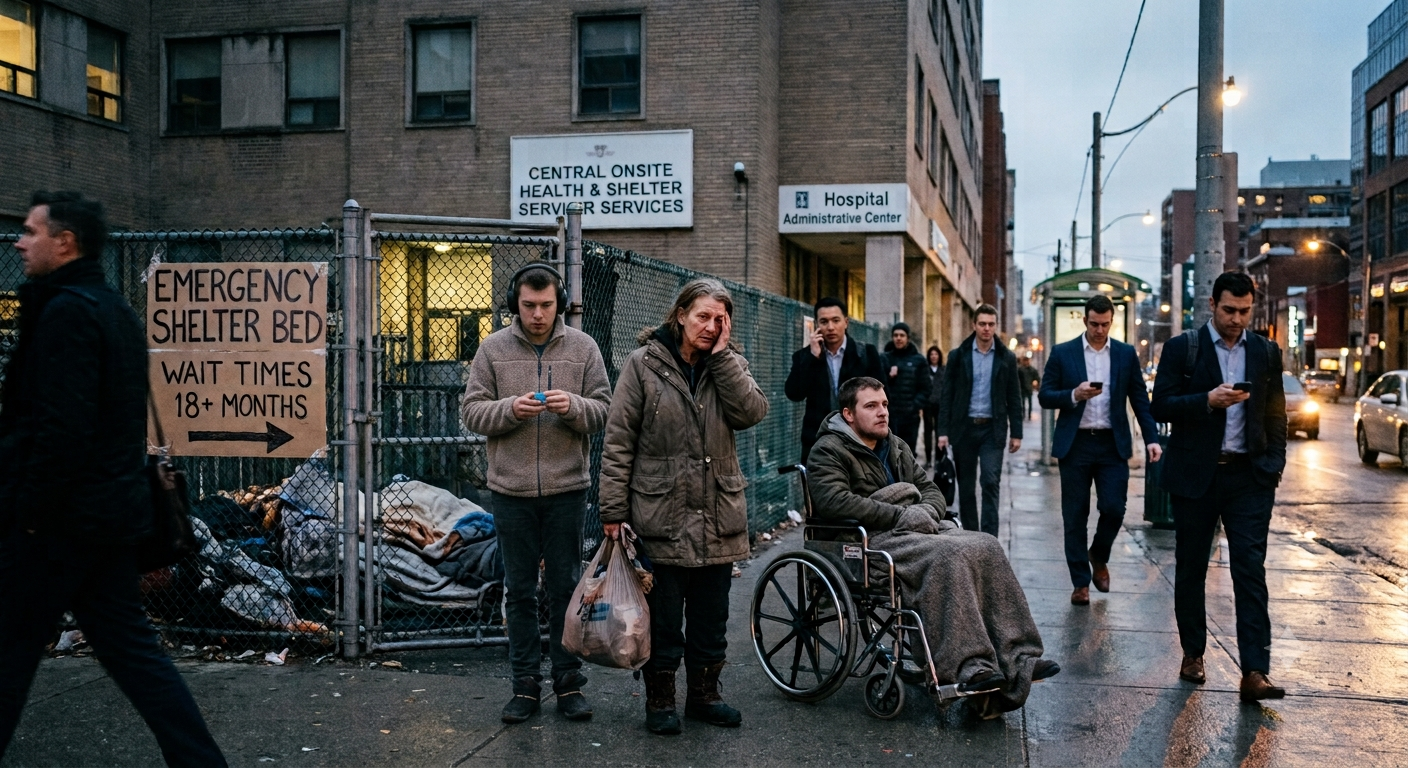
The True Cost of Institutional Failure
Beyond the devastating emotional weight placed on exceptional families, the collapse of public supportive housing creates a staggering public expense. When the system forces individuals with specialized needs into crisis, government safety nets become a costly resort of last resort. In Ontario, an Alternate Level of Care (ALC) hospital bed occupied by a person awaiting appropriate housing costs taxpayers $800 to $1,000 per day—racking up roughly $24,000 to $30,000 every month for a single bed. Even emergency shelters and shelter-hotel operations in Toronto carry a massive tab, running upwards of $7,000 per month per individual. Taxpayers shoulder a massive financial burden for reactionary, institutionalized management that is as fiscally irresponsible as it is humanly inadequate.
In stark contrast, empowering families to build localized, private housing models offers a far more sustainable path forward. By comparison, dedicated community supportive housing models operate at roughly $2,000 to $5,000 per month — a fraction of the cost of hospital stays or shelter beds. When families are supported in mobilizing their own residential property assets through gentle density and home modifications, that public burden drops even further. Taking advantage of residential renovation opportunities enables households to establish barrier-free living spaces alongside steady, income-generating units. This dual-purpose architecture transforms a private lot into a self-funding ecosystem that offsets private care expenses, creates new housing capacity, and operates without drawing on overloaded public funds.
The contrast couldn't be clearer: expensive, reactive crisis management that drains municipal and provincial budgets, versus proactive, family-led gentle density that saves on taxpayer money and builds long-term economic independence. The Legacy Building Project was conceived to prove that when families are supported and empowered by the system and the community, they are able to renovate their home to create better living conditions, and/or create a basement, backyard, or laneway unit for passive income generation. This allows for parents and guardians to secure long-term arrangements for their adult child by having the income and the appropriate living space to sufficiently meet their needs.
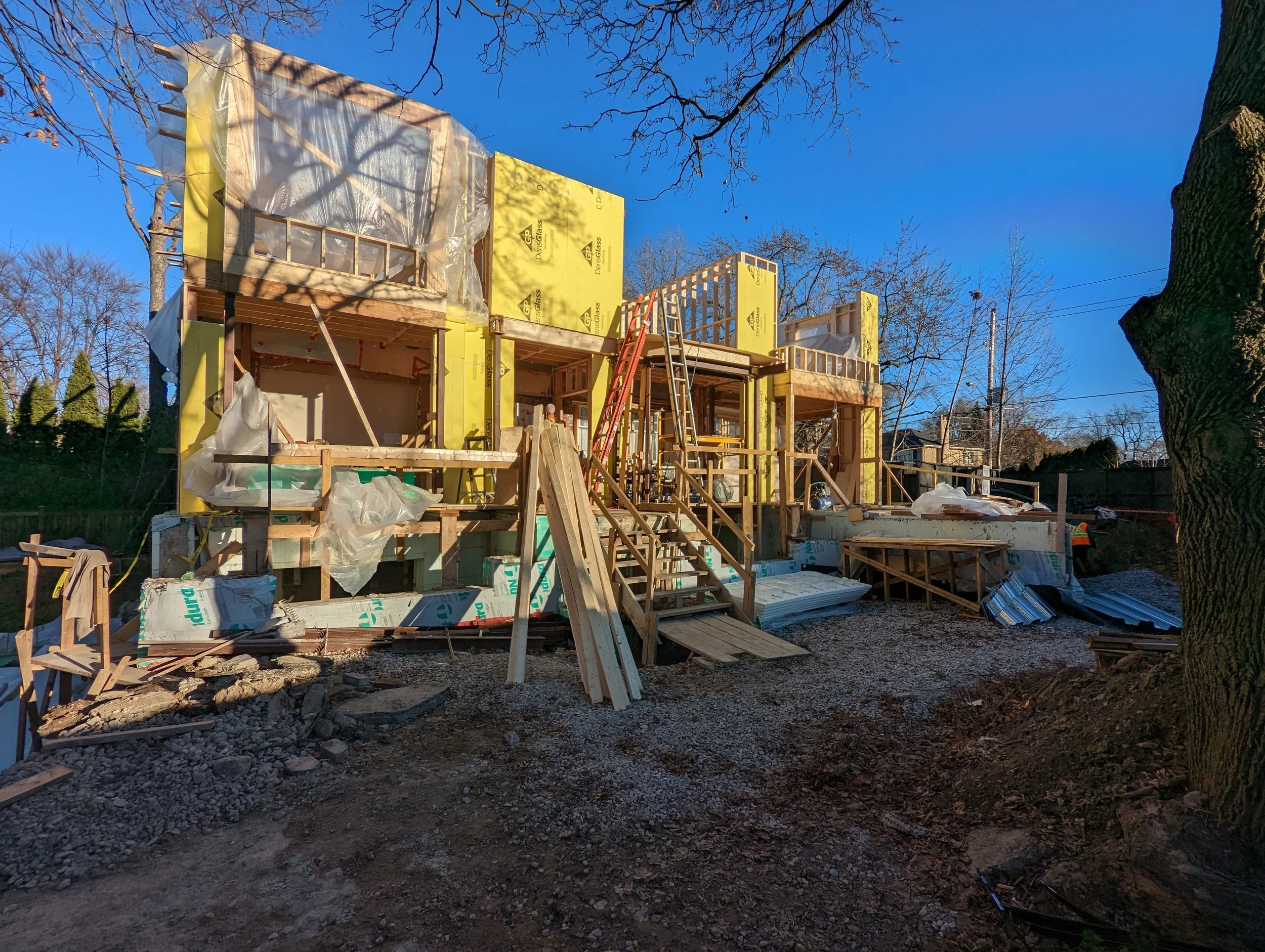
Architectural Ingenuity as a Vehicle for Economic Survival
The Legacy Building Project introduces a scalable model to disrupt this cycle. By employing strategic, human-centered architectural design, we are transforming a standard single-family residential lot in North Toronto into a purpose-built, multi-generational housing ecosystem.
The core innovation of the project relies on gentle density to solve both the housing and financial hurdles simultaneously. Gentle density is the strategic integration of low-impact, ground-oriented housing units (e.g., backyard garden suites, laneway houses, duplexes, and basement apartments) into existing low-density, single-family residential neighborhoods. It increases local housing capacity and property value through cost-effective construction methods with minimal alteration to the physical scale, height, and architectural character of the community.
Sustainable Revenue Generation: By building secondary rental units—such as integrated basement suites, lane houses, and accessory structures—properties can generate independent, long-term rental income. This revenue acts as a self-sustaining financial engine, directly funding specialized private care, offsetting property maintenance, and lifting much of the lifelong economic strain off the family.
Permanent Multi-Generational Security: The physical layout can split the property to provide distinct, independent living spaces alongside shared communal zones. This architecture allows young adults to transition into autonomous adulthood while remaining tied to a core familial safety net.
Caregiver Subsidization: Dedicated physical suites within the master plan are designed to house live-in support workers or caregivers, making long-term assistance structurally and financially viable within a residential footprint.
Extending the Circle: The incorporation of accessory dwellings creates a mechanism to offer dedicated, stable rental options to other special needs adults within the community who have been locked out of the traditional housing market.
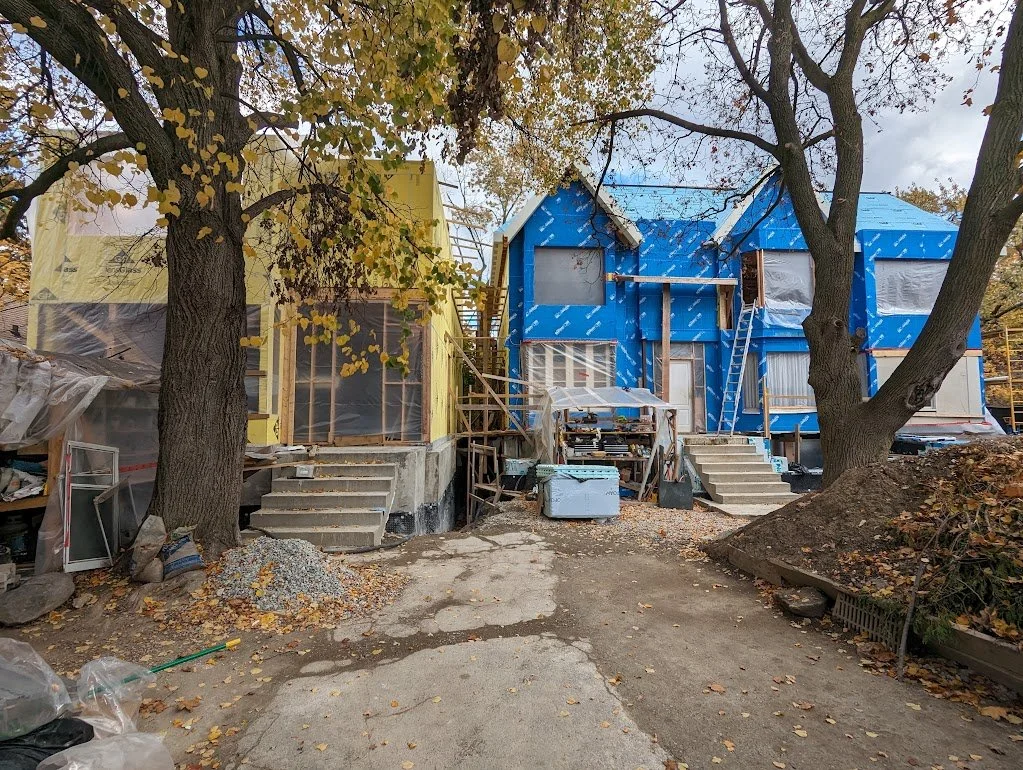
Shovels Are in the Ground: A Call for Structural Action
Construction is underway with our pilot project, which transforms a larger single-family lot into two smaller lots, one that serves as an independent newbuild, and the other being the existing. The existing is being expanded to make space for basement suites to rent, added upon (to grant suitable living space and the studio space for the adult children), and retrofitted to sufficiently meet the present and future needs of the family.
This project serves as a real-world case study that substantiates the notion that private property owners can actively alleviate the supportive housing deficit when given the proper tools and support.
But to bring our blueprint across the finish line, we require active collaboration across industry, government, and community sectors:
1. Building & Construction Industry Partnerships
We are establishing active partnerships with local developers, manufacturers, and skilled trades. We are seeking collaboration through at-cost building supplies, material donations, energy-efficient mechanical systems, and skilled volunteer labourto offset the immense capital required to execute complex, barrier-free structural designs.
2. Financial Sponsorships
Navigating a multi-unit, specialized residential development involves clearing extensive engineering and material hurdles. Targeted financial contributions and corporate room sponsorships allow us to directly fund ongoing soft costs (such as structural engineering, tree protection permits, and municipal connection fees) and secure specialized fixtures required for safety and accessibility.
3. Policy and Municipal Advocacy
We are leveraging this project to push for systemic legislative change. While programs like Bill 23 waive development charges for standard secondary suites, they do not automatically clear the heavy administrative fees (such as severance fees, building permit levies, and Committee of Adjustment costs) that penalize grass-roots families trying to build gentle density for social good. We need policy advocates to help champion automated municipal fee waivers for family-funded supportive housing.
4. Amplify the Blueprint
True advocacy begins with visibility. Share this analysis, engage with our progress, and talk about this model with your networks. The more we shift the conversation away from standard real estate speculation and toward human-centered density, the faster we can establish a repeatable pathway for thousands of exceptional families across Canada.